Dental emergencies can happen unexpectedly, from severe toothaches to broken teeth and swollen gums. Knowing when to seek professional attention can help prevent complications and protect your oral health.
If you are searching for an emergency dentist in Singapore, understanding common dental emergencies, appropriate first-aid measures, and available treatment options can help you make informed decisions about your dental care.
What Are Common Dental Emergencies?
Several dental problems may require prompt professional assessment.
1. Severe Toothache
Persistent tooth pain may be caused by tooth decay, a cracked tooth, or an infection. If the pain worsens or interferes with daily activities, arrange a dental assessment to identify the underlying cause.
2. Broken or Cracked Teeth
Teeth may become damaged by accidents, sports-related injuries, or chewing on hard foods. Rinse your mouth gently with water and avoid chewing on the affected side. A dentist can determine whether the tooth requires a filling, restoration, or another treatment.
3. Knocked-Out Teeth
A knocked-out permanent tooth requires immediate dental attention. Handle it by the crown, avoid touching the root, and keep it moist in milk or a suitable tooth-preservation solution while seeking urgent care. Baby teeth should not be replanted.
4. Swollen Gums or Dental Abscesses
Swelling, persistent pain, pus, or an unpleasant taste may indicate a dental infection. Seek prompt professional assessment, as an untreated infection can spread.
Difficulty breathing or swallowing, or rapidly spreading facial or neck swelling, requires immediate emergency medical attention.
5. Wisdom Tooth Pain
Impacted or partially erupted wisdom teeth may cause pain, swelling, and inflammation. A dental examination can determine whether treatment, including wisdom tooth removal, is necessary.
When Should You See an Emergency Dentist in Singapore?
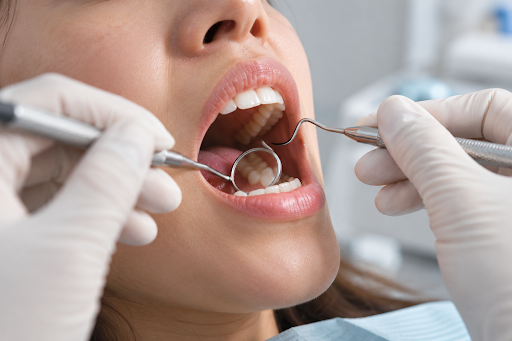
The urgency of dental care depends on your symptoms.
- Severe toothache: Arrange a prompt dental assessment.
- Broken or cracked teeth: Seek dental advice, particularly if the tooth is painful or sensitive.
- Knocked-out permanent teeth: Seek immediate dental care.
- Suspected dental infections: Obtain prompt professional assessment.
- Minor chips or damaged fillings: Arrange an appointment to determine whether treatment is required.
For difficulty breathing or swallowing, rapidly spreading swelling, or severe facial injuries, seek emergency medical care immediately.
What Should You Do Before Visiting a Dentist?
Appropriate first aid may help protect your teeth while you arrange professional care.
- Toothache: Gently rinse your mouth with warm water and avoid eating or chewing on the painful side.
- Broken tooth: Rinse gently and keep any recovered fragments in a clean container.
- Knocked-out permanent tooth: Hold it by the crown, keep it moist, and seek immediate dental attention.
- Swelling: Place a cold compress against the outside of your cheek to help reduce swelling.
- Loose braces or wires: Avoid adjusting the appliance yourself and seek advice from your orthodontic provider.
These measures do not replace professional treatment. Seek care promptly if symptoms worsen.
What Treatments Are Available for Dental Emergencies?
Treatment depends on the underlying problem and the results of a dental examination.
| Dental Problem | Potential Treatment |
| Tooth decay | Dental fillings or restorative treatment |
| Broken teeth | Bonding, fillings, crowns, or other restoration |
| Severely damaged teeth | Restoration or extraction, depending on the condition |
| Impacted wisdom teeth | Assessment and removal when indicated |
| Dental infections | Treatment of the underlying cause, which may include drainage, root canal treatment, or extraction |
Not every damaged or painful tooth requires extraction. A dentist can assess the condition and explain the appropriate treatment options.
How to Choose an Emergency Dentist in Singapore
What Is Considered a Dental Emergency?
Severe toothache, a knocked-out permanent tooth, significant dental injuries, and suspected dental infections may require urgent attention. Difficulty breathing or swallowing requires immediate emergency medical assessment.
What Should I Do If I Have a Toothache After Clinic Hours?
Seek advice about an appropriate emergency dental service if your usual clinic is closed. Do not ignore severe or worsening pain. Seek emergency medical care if you experience serious symptoms such as difficulty breathing or rapidly spreading facial swelling.
Can a Broken Tooth Be Repaired?
Some broken teeth can be restored with fillings, bonding, or crowns. Extraction may be recommended when a tooth is too severely damaged to be restored. A dentist can recommend suitable treatment based on the examination findings.
Are Emergency Dentists Available 24 Hours a Day in Singapore?
Operating hours vary between providers. Confirm whether a clinic offers urgent appointments and check its availability before visiting.
Understanding Your Dental Care Options
Dental emergencies can cause discomfort and uncertainty, but recognising the symptoms can help you respond appropriately. Persistent toothache, dental injuries, and suspected infections should be assessed by a dental professional.
Understanding the available treatment options and seeking timely care can help protect your oral health. For serious symptoms, including difficulty breathing or swallowing, seek emergency medical attention immediately.
Getting Dental Care at The Braces Practice
We have three clinic locations in Singapore: Holland Village, Bedok, and Bukit Timah. If you experience a dental problem, contact your preferred clinic and describe your symptoms clearly, including when the pain started, whether there is swelling, and how severe the discomfort is. This information helps us understand your concerns and determine whether an appointment is appropriate.
You can find our clinic locations and contact details on our clinics page. Please contact us to check appointment availability and confirm whether we can assess your dental condition.
If you experience difficulty breathing or swallowing, rapidly spreading facial or neck swelling, or other potentially life-threatening symptoms, seek emergency medical care immediately. Your immediate safety comes first, so please do not delay hospital treatment to arrange a dental appointment.