Orthodontic treatment with braces is commonly used to improve dental alignment and bite function. During the course of treatment, some individuals may experience temporary discomfort as their teeth gradually shift position. This sensation is often referred to as braces pain, although it is usually described as pressure or soreness rather than severe pain.
Understanding why braces discomfort occurs and how people commonly manage it can help patients feel more prepared during treatment. This article explains the causes, typical timeline, and general ways patients manage braces discomfort during orthodontic care.
What Does Braces Pain Feel Like?

People experience braces discomfort in different ways. In many cases, the sensation is mild to moderate and temporary.
Some common sensations reported by patients include:
- Pressure on the teeth
- Mild soreness when biting or chewing
- Sensitivity when eating certain foods
- Irritation on the inside of the cheeks or lips
- Tenderness around the gums
The intensity and duration of discomfort may vary depending on several factors, including the stage of treatment and individual sensitivity.
Why Do Braces Cause Discomfort?

Braces work by applying controlled pressure to gradually move teeth into new positions. This process involves changes within the bone and tissues surrounding the teeth, which may lead to temporary sensitivity.
Several factors may contribute to braces discomfort.
Teeth Movement During Orthodontic Treatment
Orthodontic appliances apply steady pressure to the teeth. This pressure stimulates a process called bone remodeling, where bone around the teeth breaks down and rebuilds to allow teeth to move.
During this process, the surrounding tissues may become temporarily sensitive.
Irritation From Brackets and Wires
Brackets and wires sit against the teeth and may come into contact with the inside of the cheeks and lips. At the beginning of treatment, the mouth may need time to adjust to these new surfaces.
This adjustment period can sometimes cause minor irritation or small sores.
Orthodontic Adjustments
Throughout treatment, orthodontists may adjust wires or add components such as elastics. These adjustments can increase pressure on the teeth temporarily, which may lead to short-term soreness.
When Does Braces Discomfort Usually Occur?
While every individual’s experience is different, some situations commonly trigger temporary discomfort during orthodontic treatment.
After Braces Are First Placed
When braces are first fitted, the teeth and surrounding tissues begin adjusting to the applied pressure. Some individuals may notice soreness during the first few days.
Eating harder foods may feel uncomfortable during this period.
After Adjustment Appointments
During routine orthodontic visits, wires may be tightened or replaced. After these adjustments, patients may experience mild pressure or sensitivity for a short time.
When Elastics or New Appliances Are Added
Additional orthodontic components, such as rubber bands or springs, may create new areas of pressure within the mouth. Some patients notice temporary discomfort while adapting to these appliances.
How Long Does Braces Pain Usually Last?
The duration of braces discomfort can vary between individuals.
In general:
- Initial soreness may occur during the first few days after braces are placed.
- Sensitivity following adjustments may last for a short period.
- Many patients find that their mouth gradually adapts to the braces over time.
Because every person’s orthodontic treatment is unique, the exact duration of discomfort may differ.
Ways Patients Manage Braces Discomfort
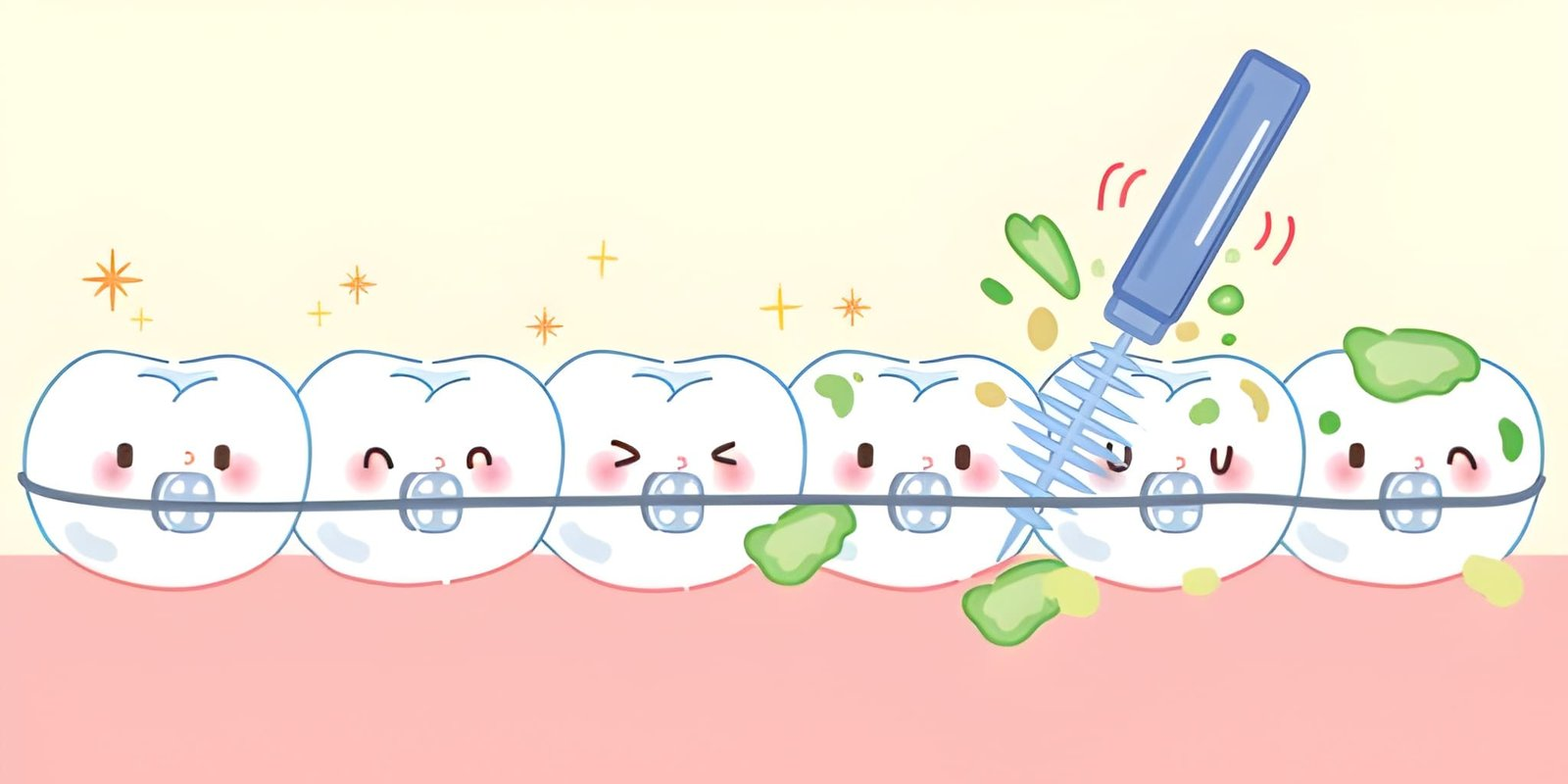
People undergoing orthodontic treatment often adopt certain habits that may help make the adjustment period more comfortable. These approaches are commonly recommended as general care practices during braces treatment.
Soft Diet
When teeth feel sensitive, softer foods may be easier to chew.
Examples include:
- soups
- yogurt
- mashed potatoes
- scrambled eggs
- oatmeal
- Smoothies
- Ice cream
- Noodles
- Soft bread
These foods place less pressure on the teeth during chewing.
Using Orthodontic Wax

(Source: Tooth Good)
Orthodontic wax can be applied to brackets or wires that rub against the inside of the cheeks or lips. This creates a smoother surface and may reduce irritation.
Many orthodontic patients keep orthodontic wax available during the early stages of treatment.
Rinsing With Warm Salt Water
A warm salt water rinse is sometimes used to soothe irritated areas in the mouth. Some individuals find that it helps reduce temporary discomfort from small mouth sores.
Choosing Cold Foods or Drinks
Cold foods or drinks may temporarily reduce sensitivity in the teeth and gums. Some patients prefer cold smoothies, chilled yogurt, ice cream or cold water when their teeth feel sore.
Maintaining Good Oral Hygiene
Keeping the mouth clean during orthodontic treatment is important for overall oral health. Food particles trapped around brackets can sometimes contribute to gum irritation. inflammation.
Brushing and flossing regularly helps maintain oral hygiene while wearing braces.
Foods Some Patients Prefer When Their Braces Feel Sore

When teeth feel sensitive, certain foods may be easier to eat than others.
Common softer food options include:
- porridge or oatmeal
- scrambled eggs
- noodles
- mashed vegetables
- yogurt
- smoothies
On the other hand, foods that are very hard, crunchy, or sticky may feel more uncomfortable during periods of sensitivity.
Examples include:
- hard candies
- nuts
- popcorn
- sticky sweets
Following dietary guidance provided by an orthodontist may help reduce the risk of discomfort or appliance damage.
Braces Discomfort From Cheek or Lip Irritation
In addition to tooth sensitivity, some patients experience irritation inside the cheeks or lips. This can happen when brackets or wires rub against the soft tissues of the mouth.
Over time, the inner lining of the mouth usually adapts to the braces. During the adjustment period, orthodontic wax is sometimes used to cover areas that cause irritation.
If irritation becomes persistent or uncomfortable, patients are generally advised to inform their orthodontist. Ulcer cream may be prescribed.
Braces Pain in Teenagers and Adults
Orthodontic treatment is commonly provided to both teenagers and adults. While the treatment principles are similar, individuals may experience braces discomfort differently.
Some factors that may influence the experience include:
- differences in bone density
- overall dental condition
- individual sensitivity to pressure
Orthodontists assess each patient’s dental structure before recommending a treatment plan.
When Should You Speak to Your Orthodontist?

While mild discomfort is commonly reported during orthodontic treatment, certain situations may require professional advice.
Patients may wish to contact their orthodontist if they experience:
- significant pain that does not improve
- a broken bracket or loose wire
- swelling or injury inside the mouth
- difficulty eating due to severe sensitivity
An orthodontist can examine the braces and determine whether any adjustments are needed.
Frequently Asked Questions About Braces Pain
Do braces hurt when they are first placed?
Some individuals experience mild soreness or pressure during the first few days after braces are fitted. This sensation may occur as the teeth begin adjusting to the applied pressure.
Why do teeth feel sensitive after braces tightening?
Orthodontic adjustments can temporarily increase pressure on the teeth, which may cause sensitivity for a short period.
Is it normal for braces to irritate the cheeks?
In the early stages of treatment, brackets may rub against the inside of the cheeks or lips. The mouth often adapts over time.
Does everyone experience braces discomfort?
Experiences vary between individuals. Some patients notice minimal discomfort, while others may experience temporary soreness during certain stages of treatment.
Can eating be difficult when braces feel sore?
When teeth are sensitive, softer foods may feel easier to chew until the discomfort subsides.
Understanding Braces Discomfort During Orthodontic Treatment
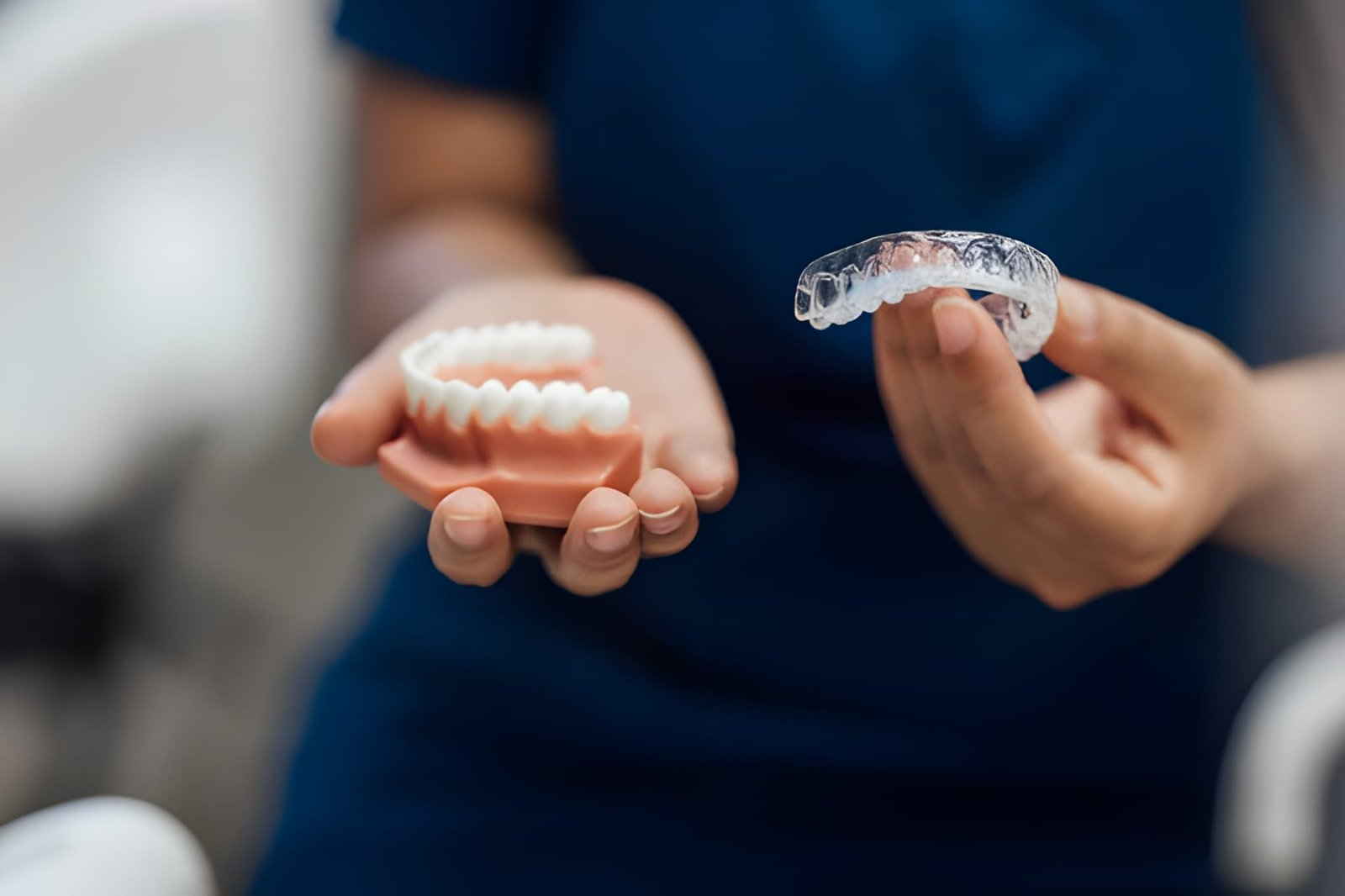
Temporary discomfort is commonly reported during orthodontic treatment with braces. This sensation may occur as the teeth respond to controlled pressure and the mouth adapts to orthodontic appliances.
Many patients find that the initial adjustment period becomes easier over time as they become accustomed to the braces.
If discomfort becomes persistent or concerning, patients should consult their orthodontist for professional guidance regarding their treatment.