Invisible braces and traditional braces are orthodontic treatment options used to align teeth and manage bite-related conditions. While both aim to achieve proper dental alignment, they differ in how they are worn, how they are maintained, and how they may fit into a patient’s daily routine.
This article explains the difference between invisible braces and traditional braces in a factual and educational manner. It does not replace professional advice. Suitability for orthodontic treatment should be determined through clinical assessment.
Invisible Braces vs Traditional Braces
| Aspect | Invisible Braces | Traditional Braces |
| Appliance type | Clear and removable aligners | Fixed metal brackets and wires |
| Visibility | Transparent when worn | Visible on teeth |
| Removal | Removed for eating and cleaning | Fixed throughout treatment |
| Cleaning | Aligners cleaned separately | Cleaning around brackets is required |
| Monitoring | Regular professional reviews | Regular professional adjustments |
What Are Invisible Braces?
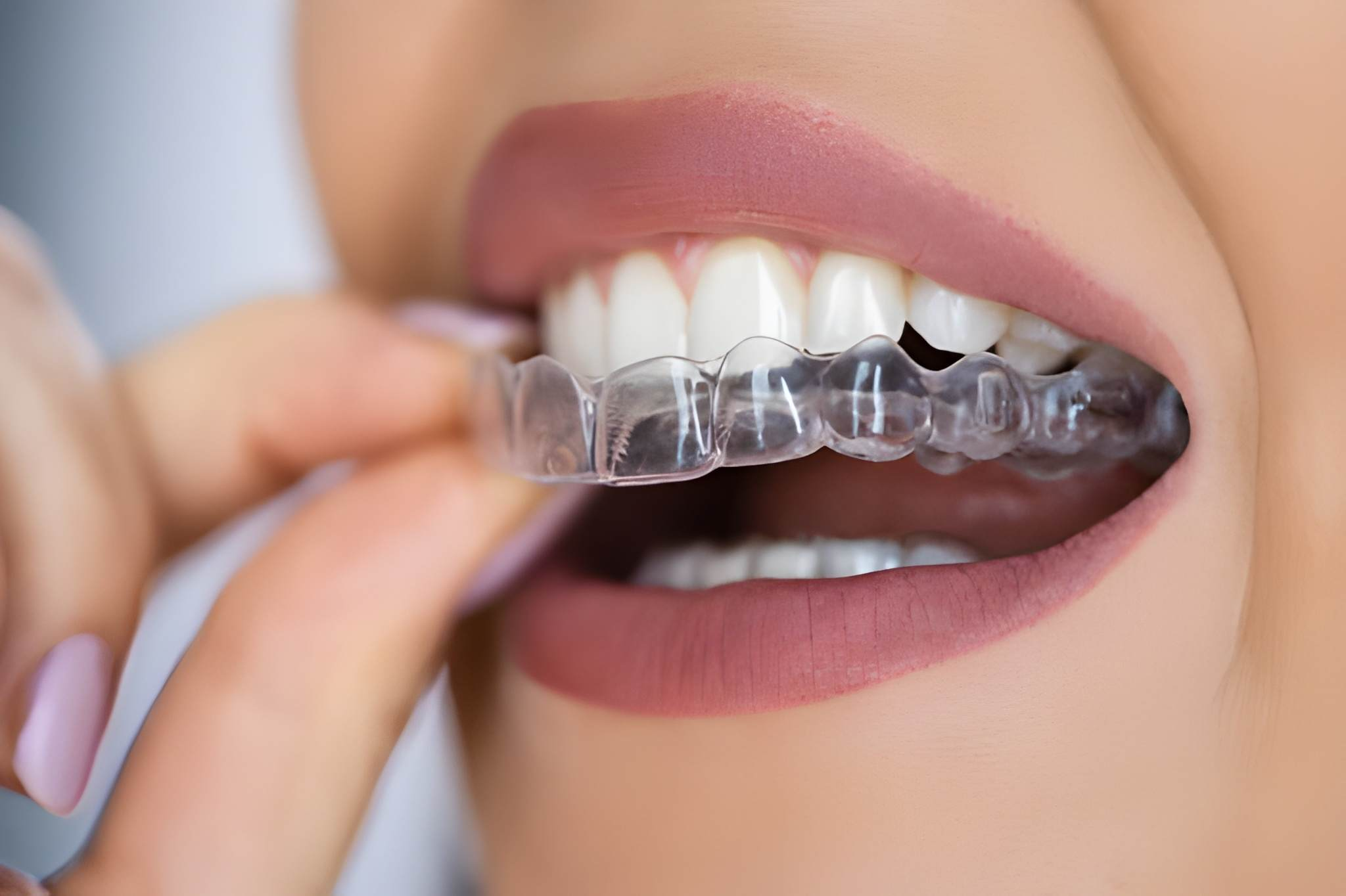
Invisible braces, commonly referred to as clear aligners, are removable orthodontic appliances made from transparent plastic. They are custom-fabricated using digital scans of a patient’s teeth and are worn in a sequence to gradually guide tooth movement.
Invisible braces:
- Are worn for a prescribed number of hours daily
- Are replaced at regular intervals, usually 10-14 days per aligner
- Require monitoring to assess progress
- Are planned based on individual dental alignment
Additional information about invisible braces treatment in Singapore is available on the clinic’s dedicated informational page.
What Are Traditional Braces?
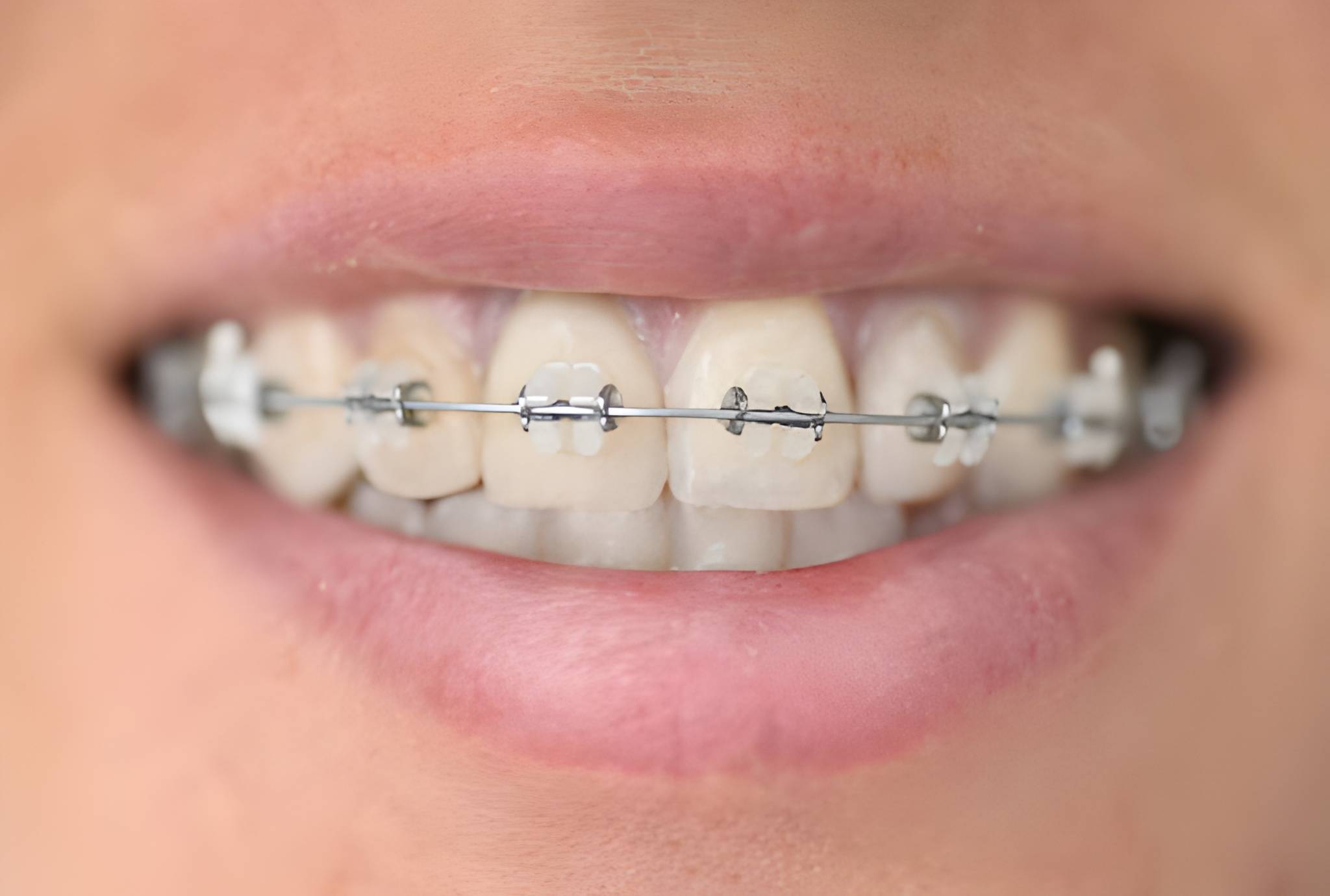
Traditional braces are fixed orthodontic appliances that consist of metal or ceramic brackets bonded to the teeth and connected by archwires. These components apply continuous force to move teeth into alignment over time.
Traditional braces:
- Remain in place throughout treatment
- Require periodic adjustments, usually 4 to 6 weeks apart
- Are commonly used for a wide range of orthodontic conditions
- Cannot be removed by the patient
They continue to be a standard orthodontic treatment option.
Key Differences Between Invisible Braces and Traditional Braces
Visibility
Invisible braces are made from clear plastic materials and are less noticeable when worn. Traditional braces use visible metal or ceramic components.
Removability
Invisible braces are removable, allowing them to be taken out during meals and oral hygiene routines. Traditional braces are fixed and remain attached to the teeth until treatment is completed.
Oral Hygiene Considerations
Patients using invisible braces typically remove aligners for brushing and flossing. With traditional braces, cleaning is performed around the brackets and wires.
Daily Wear and Compliance
Invisible braces must be worn for the recommended duration (usually 20-22 hours) each day to be effective. Traditional braces apply force continuously without daily removal.
Treatment Duration and Monitoring
The length of orthodontic treatment varies for both invisible braces and traditional braces. Factors that may influence treatment duration include:
- Severity of dental misalignment and malocclusion
- Type of orthodontic appliance used
- Individual response to treatment
- Compliance with professional instructions
Both treatment options require regular professional monitoring.
Cost Considerations in Singapore
Orthodontic treatment costs in Singapore vary depending on:
- Complexity of the dental condition
- Duration of treatment
- Type of orthodontic appliance used
Fees differ between invisible braces and traditional braces based on these factors. Patients may refer to general information on invisible braces cost in Singapore for indicative fee ranges or enquire directly with the clinic of choice.
Suitability for Invisible Braces or Traditional Braces
Both invisible braces and traditional braces may be used for mild to complex orthodontic conditions. Suitability depends on factors such as:
- Tooth alignment
- Bite relationships
- Oral health status
- Individual treatment requirements
A professional assessment is necessary to determine the appropriate option.
How Is the Appropriate Orthodontic Option Determined?

The decision between invisible braces and traditional braces is made during an orthodontic consultation. This process may include:
- Clinical examination
- Dental imaging or digital scans
- Discussion of treatment considerations
Patients are provided with information to support informed decision-making.
Invisible Braces vs Traditional Braces: A Comparison Overview
Invisible braces and traditional braces are established orthodontic treatment options used to align teeth and manage bite concerns. While they differ in design, visibility, and daily care, both require professional planning and monitoring.
Understanding these differences helps patients prepare for discussions during orthodontic consultations.
Where to Find More Information
Further information on orthodontic treatment options, including invisible braces, is available from The Braces Practice.
If you wish to understand more orthodontic options, you may seek professional consultation for individual assessment and information.