Malocclusion, commonly referred to as a “bad bite”, occurs when the upper and lower teeth do not align properly when the mouth is closed. While some cases are mild and mainly affect appearance, others can interfere with chewing, speaking, oral hygiene, and even jaw function. Left untreated, malocclusion may lead to long-term dental issues such as excessive tooth wear, gum disease, and jaw discomfort.
The good news is that malocclusion can often be treated successfully with modern orthodontic solutions such as braces or Invisalign®. At The Braces Practice, we provide personalised treatment plans for children, teenagers, and adults to help improve both oral health and confidence.
What Is Malocclusion?
(Source: Healthline)
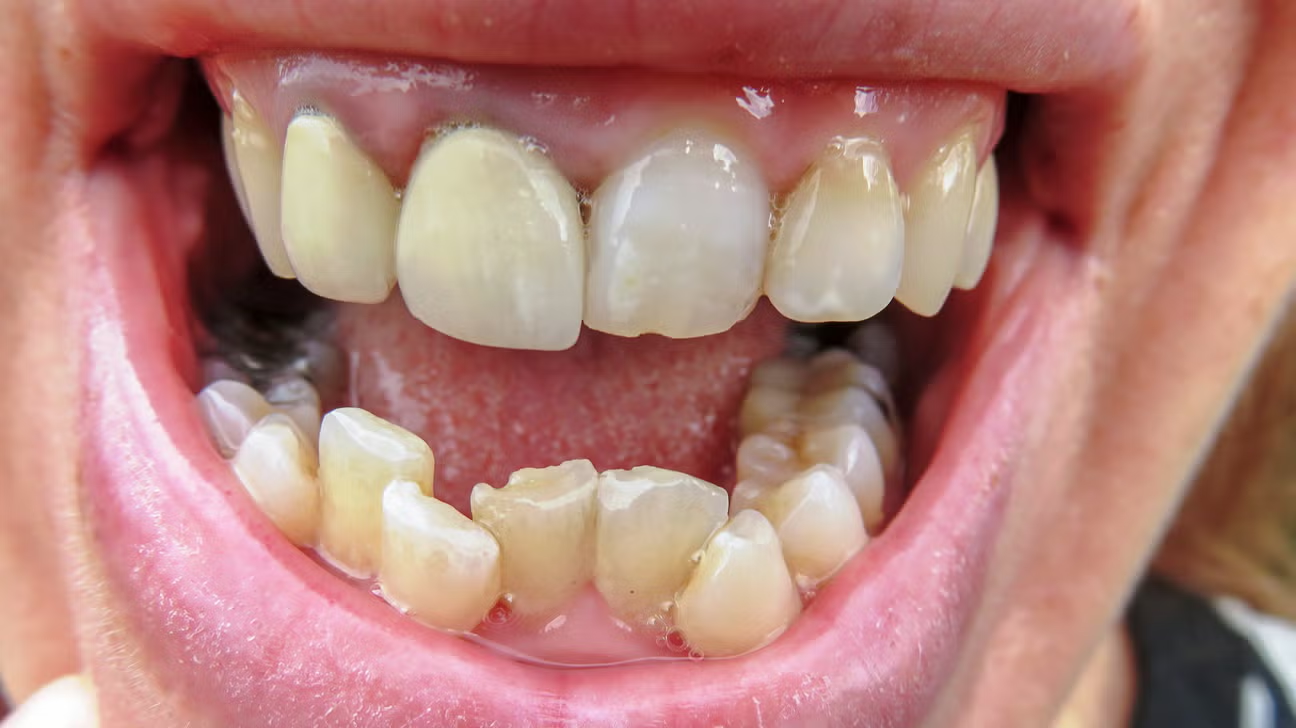
Malocclusion is the misalignment of the teeth or jaws, causing the upper and lower teeth to fit together incorrectly. It can affect a single tooth, several teeth, or the entire bite.
A properly aligned bite helps distribute chewing forces evenly, makes it easier to clean your teeth, and supports healthy jaw function. When the bite is misaligned, it may increase the risk of dental problems and affect your overall quality of life.
Common Types of Malocclusion
There are several types of malocclusion, each requiring different treatment approaches.
Overbite
An overbite is a condition where the upper front teeth excessively overlap the lower front teeth when the mouth is closed. A severe overbite may cause excessive wear on the lower teeth or irritation to the gums of the upper front teeth.
Underbite
An underbite happens when the lower teeth extend in front of the upper teeth. This can make chewing difficult and may affect facial balance.
Crossbite
A crossbite occurs when one or more upper teeth bite inside the lower teeth. If left untreated, it can lead to uneven tooth wear and jaw problems.
Open Bite
With an open bite, the upper and lower front teeth do not touch when the mouth is closed. This condition is often associated with thumb sucking, tongue thrusting, or jaw development issues.
Crowded Teeth
Crowding develops when there is insufficient space in the jaw for all the teeth to align properly. It can make brushing and flossing more difficult, increasing the risk of tooth decay and gum disease.
Spacing Between Teeth
Gaps between teeth may result from missing teeth, smaller-than-average teeth, or differences in jaw size. While some spacing is purely cosmetic, larger gaps can affect bite function.
What Causes Malocclusion?
Malocclusion may develop due to a combination of genetic and environmental factors.
Common causes include:
- Inherited jaw or tooth size differences
- Thumb sucking or prolonged pacifier use during childhood
- Tongue thrusting or mouth breathing
- Premature loss of baby teeth
- Impacted or missing permanent teeth
- Dental injuries
- Poorly fitted dental restorations
- Abnormal jaw growth and development
Early orthodontic assessments can help detect these issues before they become more severe.
Signs and Symptoms of Malocclusion
Some people may not realise they have malocclusion until a dentist identifies it during a routine examination.
Common signs include:
- Crooked or crowded teeth
- Gaps between teeth
- Difficulty chewing or biting food
- Frequent cheek or tongue biting
- Speech difficulties
- Jaw pain or clicking sounds
- Teeth grinding (bruxism)
- Uneven tooth wear
- Changes in facial appearance
If you experience any of these symptoms, an orthodontic consultation can determine whether treatment is recommended.
Why Should Malocclusion Be Treated?
Although mild cases may not require immediate treatment, moderate to severe malocclusion can lead to complications over time.
Potential risks include:
- Increased risk of tooth decay due to difficulty cleaning crowded teeth
- Gum disease caused by plaque build-up
- Excessive tooth wear or chipped teeth
- Jaw joint (TMJ) discomfort
- Difficulty chewing food efficiently
- Speech problems
- Lower self-confidence due to the appearance of the teeth
Addressing malocclusion early can help prevent more complex dental problems in the future.
How Is Malocclusion Diagnosed?
Diagnosing malocclusion involves a comprehensive orthodontic assessment. Your orthodontist may perform:
- A clinical examination of your teeth and bite
- Digital X-rays to evaluate tooth and jaw positions
- Digital intraoral scans to create a detailed 3D model of your teeth
- Bite analysis to assess how your teeth come together
- A facial assessment to determine whether jaw alignment contributes to the problem
- Analysis of jaw joints to see if there are any joint disorders (TMD)
These assessments help create a personalised treatment plan based on your specific needs.
Treatment Options for Malocclusion
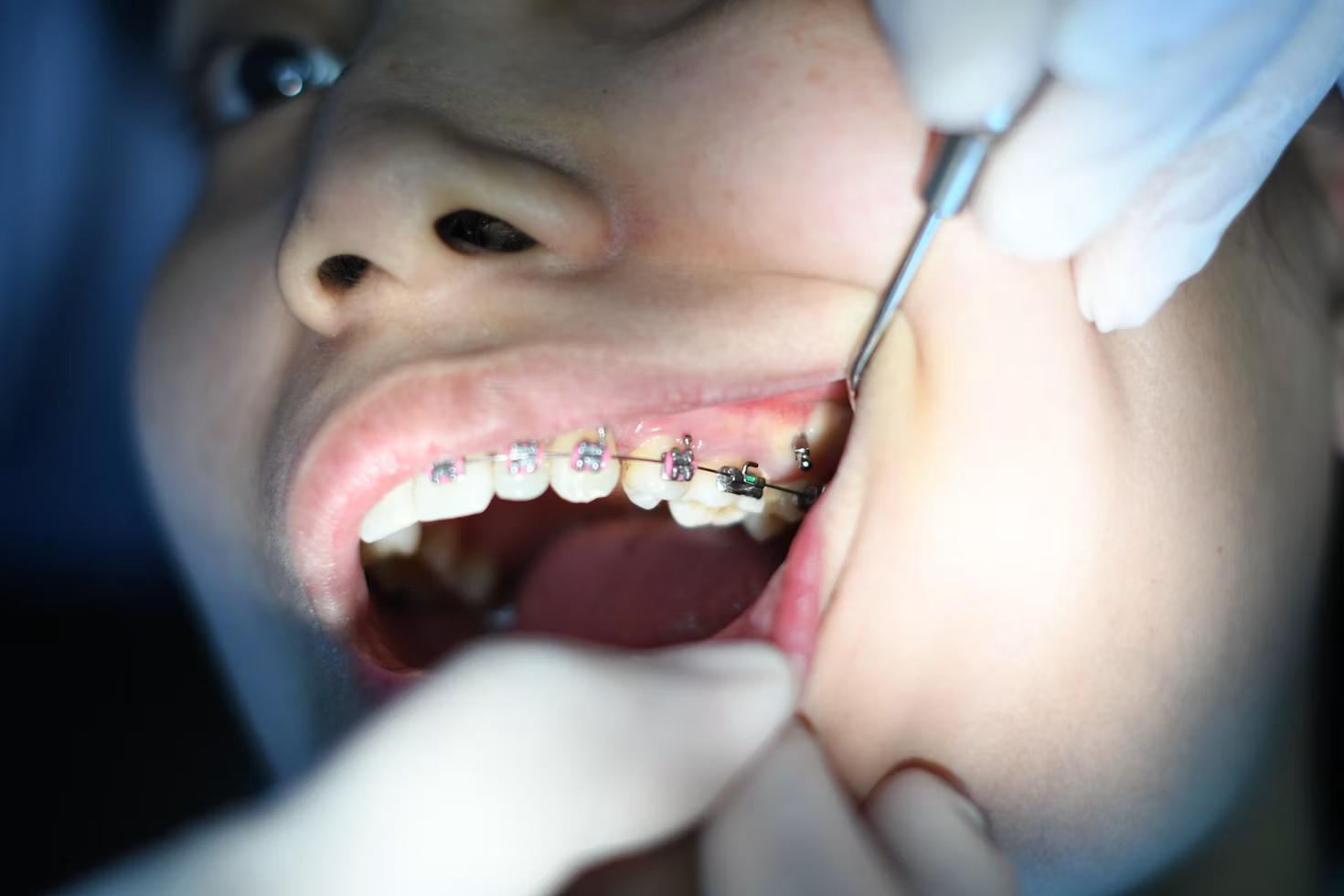
Treatment depends on the type and severity of the malocclusion, as well as your age and oral health.
Metal Braces
Metal braces remain one of the most effective solutions for correcting mild to severe bite problems. They provide precise tooth movement and are suitable for patients of all ages.
Ceramic Braces
Ceramic braces work similarly to metal braces but use tooth-coloured brackets, making them a popular choice for patients who prefer a more discreet appearance.
Damon Self-Ligating Braces
Damon Q and Damon Clear self-ligating braces use specialised brackets that reduce friction, allowing for more comfortable tooth movement and fewer adjustment appointments.
Invisalign®
Invisalign uses a series of custom-made, clear aligners that are removable and designed to gradually move your teeth into their ideal positions.
It is suitable for many mild to moderate cases of malocclusion and is popular among adults and working professionals seeking a less noticeable treatment option.
Early Orthodontic Treatment
For younger children, early orthodontic intervention may help guide jaw growth and reduce the need for more complex treatment later.
Braces with Jaw Surgery
For severe skeletal malocclusion caused by jaw discrepancies, orthodontic treatment may be combined with orthognathic (jaw) surgery to achieve the best functional and aesthetic results.
Retainers
After orthodontic treatment, retainers help maintain the new tooth positions and reduce the risk of teeth shifting back over time.
Braces vs Invisalign: Which Is Better?
Both braces and Invisalign can effectively treat malocclusion, but the best option depends on your individual teeth case.
Braces are generally recommended for more complex bite problems, while Invisalign is often suitable for mild to moderate cases and offers greater flexibility because the aligners can be removed for eating and brushing.
An orthodontist will assess your teeth, bite, lifestyle and treatment goals before recommending the most appropriate option.
Can Malocclusion Be Prevented?
Although genetics cannot be changed, certain habits may help reduce the risk of developing malocclusion.
Parents can encourage healthy dental development by:
- Limiting prolonged thumb sucking and pacifier use
- Scheduling regular dental check-ups
- Seeking early orthodontic assessments if bite problems are noticed
Adults can protect their oral health by replacing missing teeth promptly, maintaining good oral hygiene, and attending regular dental visits.
When Should You See an Orthodontist?
You should consider scheduling an orthodontic consultation if you notice:
- Crooked or crowded teeth
- Difficulty chewing or biting
- Jaw pain or clicking
- Protruding teeth
- Gaps between teeth
- Changes in your bite
- Bite problems in your child
Early assessment allows potential issues to be identified before they become more complicated.
Why Choose The Braces Practice?
At The Braces Practice, we offer comprehensive orthodontic care tailored to each patient’s needs. Whether you require traditional braces, Damon self-ligating braces, Invisalign, early orthodontic treatment, or treatment combined with jaw surgery, our experienced team will recommend the most suitable solution for your smile.
With conveniently located clinics in Bukit Timah, Bedok, and Holland Village, we make it easier for patients across Singapore to access personalised orthodontic care in a comfortable environment.
Frequently Asked Questions
Can adults treat malocclusion?
Yes. Orthodontic treatment is suitable for adults of all ages, provided their teeth and gums are healthy.
Is Invisalign effective for malocclusion?
Invisalign can successfully treat many mild to moderate cases. More complex bite problems may be better managed with braces.
How long does treatment take?
Treatment duration varies depending on the complexity of the case but typically ranges from 12 to 24 months.
Will I need to wear retainers after treatment?
Yes. Retainers are essential for maintaining your new smile and preventing teeth from shifting after orthodontic treatment.
Schedule Your Orthodontic Consultation
If you are concerned about crooked teeth, bite problems, or jaw alignment, a professional orthodontic assessment can help determine the most suitable treatment for your needs. At The Braces Practice, our team is committed to helping patients achieve healthier, more functional smiles through personalised orthodontic care.
Book a consultation with The Braces Practice today to take the first step towards correcting your malocclusion and improving your smile.